


School Play Ideas for Primary Schools, Churches, and Drama Clubs

Updated: Feb 23
Put on an engaging School Play
When children are excited about the story and their roles, they perform with enthusiasm and confidence. This excitement spreads to the audience, making the whole event a hit.
Choose stories that are relatable and fun. Plays that include music, simple dialogue, and clear characters help children stay focused and enjoy their time on stage. Plus, engaging ideas encourage teamwork and help children develop important social skills.
Here are some tips to keep in mind:
Pick themes that children love, like animals, fairy tales, or adventures.
Include songs and dances to keep energy high.
Use simple language so everyone understands their lines.
Make sure the play is the right length - not too long or too short.
Plan for easy costumes and props to reduce stress.
By focusing on these points, you will create a positive environment where children shine.

How to Develop Engaging School Play Ideas
Developing engaging school play ideas starts with brainstorming stories that capture children’s imaginations. We can involve the kids in this process to make it even more exciting. When children help choose the story or characters, they feel more connected to the play.
Here’s a step-by-step guide to developing your play:
Choose a Theme: Think about what interests the children. It could be a classic fairy tale, a story about friendship, or a fun adventure.
Write or Select a Script: Use existing scripts or write your own. Keep the language simple and the scenes short.
Add Music and Movement: Songs and dances make the play lively. Choose easy tunes and simple choreography.
Assign Roles: Match roles to children’s personalities and abilities. Include speaking parts, singing parts, and non-speaking roles.
Plan Rehearsals: Schedule regular, short rehearsals. Practice scenes, songs, and movements.
Create Costumes and Props: Use items you already have or make simple costumes. Keep it creative but manageable.
Remember, the goal is to keep the process fun and stress-free. When children enjoy rehearsals, the final performance will be fantastic.
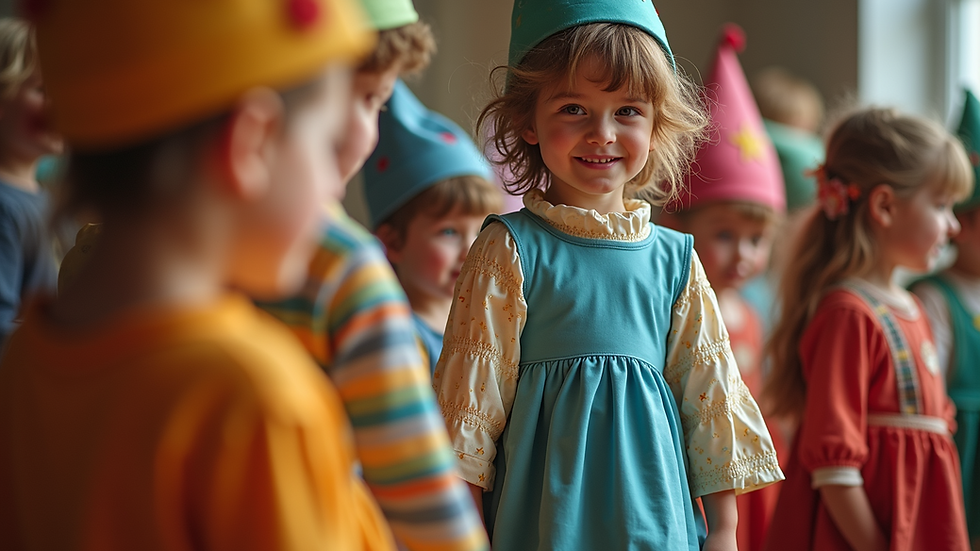
Examples of Kid-Friendly Plays
Finding kid-friendly plays is easier than you might think. There are many wonderful scripts designed specifically for young children. These plays often include simple stories, catchy songs, and roles that suit different skill levels.
Here are some popular kid-friendly play ideas:
Animal Adventures: Stories where children play animals learning about friendship or teamwork.
Fairy Tales: Classic tales like "Cinderella," "Jack and the Beanstalk," or "The Three Little Pigs."
Seasonal Plays: Christmas nativity plays, spring celebrations, or Halloween fun.
Original Stories: Try an original play, making it unique and personal.
Musical Plays: Have lots of singing and dancing, perfect for energetic kids.
For a great selection of scripts and ideas, we recommend checking out Magic Parrot Easy Primary School Plays. They offer a wide range of affordable, tried and tested plays perfect for children aged 5-13. Here's a quick list of our plays
Tips for Making Your School Play a Success
To make your school play a success, preparation and enthusiasm are key. Here are some practical tips to help everything run smoothly:
Choose a budget: Keep your costs extra low - our plays are FREE to perform, no license needed.
Keep it Simple: Avoid complicated scripts or props. Simple is better for young children.
Encourage Participation: Give every child a role, even if it’s small. Everyone feels included.
Practice Patience: Children learn at different speeds. Be patient and positive.
Use Visual Aids: Posters, backdrops, and props help children remember their parts.
Celebrate Effort: Praise children for trying their best, not just for perfect performances.
Involve Parents: Invite parents to help with costumes, props, or rehearsals.
By following these tips, we create a supportive atmosphere where children can thrive and enjoy the magic of theatre.
Bringing It All Together with Music and Fun
Music and fun are the secret ingredients that make school plays unforgettable. Songs help children remember their lines and keep the audience engaged. Fun activities during rehearsals build excitement and teamwork.
Here’s how to add music and fun to your play:
Choose songs that are easy to learn and sing.
If you do not have a pianist, our plays come with vocal tracks, backing tracks, and lyrics.
Include simple dance moves or actions with the songs.
Use games and warm-ups to get children energized before rehearsals.
Celebrate milestones with small treats or applause.
Encourage children to express themselves and be creative.
When we combine music, movement, and laughter, the play becomes a joyful experience for everyone.
Creating engaging school play ideas is a rewarding journey. With the right story, music, and teamwork, we can put on a show that children will remember their show forever.
If you want to find plays with NO LICENCE FEES, visit Magic Parrot Easy Primary School Plays.
Otherwise, there are many other fantastic websites to help you choose a more elaborate production.
Make every school play a magical event full of smiles and applause!


Comments